Whether you are buying a home, refinancing, or managing a property portfolio, termite documentation matters. Show Me Pest Control's certified inspectors in Louisville deliver thorough written reports with findings, photographs, and itemized treatment options.
Call +1-866-315-0243 — Schedule InspectionThe documentation standard that makes our Louisville inspections useful for real estate, lending, and property management.
We produce inspection reports that serve a real purpose — not a one-page checklist. Findings are documented with photographs and location notes, formatted for use by your realtor, lender, or attorney.
Subterranean termites, drywood termites, and Formosan termites require fundamentally different treatment approaches. Our inspectors identify the species before recommending any treatment, then present itemized options — liquid barrier, bait stations, wood injection, fumigation — with cost and expected outcome for each.
We have completed termite inspections for real estate transactions across Louisville, MS. Our reports name the licensed inspector, the inspection date, all findings, and all treatment options — the format your lender and realtor can work with directly.
Treatment warranties issued by Show Me Pest Control are transferable to the new owner at the time of sale. This adds documented value to the property and eliminates the buyer's need to start a new treatment program from scratch.
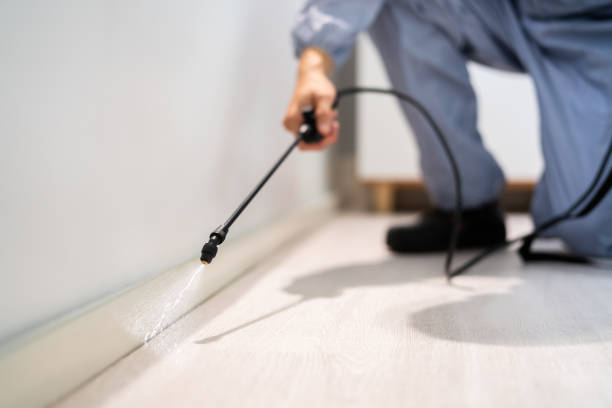
Every Show Me Pest Control termite inspection in Louisville produces a written report with findings, photographs, and itemized treatment options. The document is yours to keep regardless of whether you proceed with treatment.
Three species account for most structural termite damage in Louisville, MS, and each one requires a different response. Subterranean termites enter structures at the soil-to-wood interface, building mud tubes across foundation surfaces to access framing above grade. Drywood termites require no soil contact, colonizing wood members directly and leaving characteristic frass piles near kick-out holes. Formosan termites are subterranean but operate at a different scale — larger colonies, faster spread, and greater structural consequence when left unaddressed. A certified inspector confirms which species is present before treatment is discussed, because misidentifying the species leads to applying the wrong method.
Identifying termite evidence before it becomes structural damage is the purpose of a scheduled inspection — not a reactive call. The signs that most homeowners in Louisville miss before calling: swarmer wings near window frames in late winter and spring; mud tubes on foundation exterior that resemble dried dirt streaks; hollow-sounding floor framing detected by tapping with a probe; frass deposits, which look like fine sand or coffee grounds, near baseboards or beneath furniture in contact with wood framing; and bubbling or slightly raised paint near sills or door frames. A certified inspector looks for all of these specifically because they can be present without obvious visible damage.
Suspicious signs around your foundation or windowsills in Louisville? Call +1-866-315-0243 — our inspector confirms activity and issues a written report.
The inspection workflow at Show Me Pest Control follows a consistent sequence regardless of the property type. The inspector arrives with a moisture meter, probe, and flashlight at minimum — these tools help detect activity in areas that show no surface evidence. The exterior inspection covers the full foundation perimeter, all utility and pipe entry points, attached structures, and visible wood-to-soil contacts. The interior inspection covers subfloor access points, visible framing in crawl spaces and basements, attic framing if accessible, and any interior walls or structural members showing surface irregularities. Moisture meter readings at suspect areas help differentiate active moisture-driven wood damage from termite activity. All findings are documented during the inspection with photographs and location notes. The written report is the output: it identifies what was found, where it was found, whether activity appears active or historical, what conducive conditions were observed, and what the inspector recommends as treatment options — priced by option before you decide anything.
The written report presents treatment options because the appropriate method depends on what the inspection finds, not on a standard package. Liquid barrier treatment creates a soil zone that terminates subterranean colonies crossing the foundation perimeter — appropriate for active infestations and preventive treatment in high-risk areas. Bait stations require more time to suppress colonies but offer an effective, low-disturbance approach suited to properties where drilling is undesirable. Wood injection addresses localized drywood activity directly and is less invasive than fumigation when the infestation is limited in scope. Fumigation is warranted when drywood activity has spread broadly through the structure and cannot be effectively addressed room by room. Your inspector explains which options apply to the conditions found and why, with pricing for each, before any treatment is scheduled.
Real estate termite inspections in Louisville are most useful when they happen early in the process, not as a last-minute requirement. A seller who schedules the inspection before listing arrives at negotiation with documentation — either a clean clearance report or a completed treatment warranty — that removes the uncertainty a buyer's inspector might otherwise introduce. Lenders in most conventional mortgage transactions require documentation of termite inspection; having a current Show Me Pest Control report on hand shortens the closing timeline and demonstrates due diligence. The transferable treatment warranty means the buyer inherits the coverage without initiating a new service relationship, which is a meaningful benefit that experienced buyers and their agents understand.
Inspection-first, treatment-second. The service menu covers every scenario our inspectors find in Louisville homes and commercial properties.
Our Louisville termite inspection produces a complete written report at the time of the visit. Every finding is photographed and documented, active activity is distinguished from historical evidence, and treatment options are presented with cost before you commit to anything.
This approach is most appropriate for active subterranean infestations and properties with conducive soil conditions at the perimeter. Show Me Pest Control uses registered termiticide products applied at label rates, with a treatment warranty issued on completion.
A bait network is appropriate when soil injection is impractical or when the property owner prefers a lower-disturbance program. Show Me Pest Control provides bait network installation and scheduled monitoring in Louisville with documented service records.
Fumigation is never recommended as a first option — it is indicated when the inspection finds widespread drywood activity that localized injection or heat treatment cannot adequately address. The written report will explain why, with the specific findings that drive the recommendation.
When drywood activity is localized — confined to identifiable members or a specific area of the structure — direct wood injection of insecticide into affected members is a targeted and effective response that avoids the disruption of tent fumigation.
An annual inspection renews your treatment warranty, maintains the documented service record, and catches any new activity before it advances. For property managers, real estate investors, and homeowners in Louisville who want a maintained inspection record, the annual program provides scheduled service and ongoing documentation.
Every step moves toward the same outcome: a written record you can act on.
A single call to +1-866-315-0243 confirms the inspection date and time. We note whether the inspection is being used for a real estate transaction so the report is formatted accordingly.
The exterior and interior inspection follows a documented sequence. No visible area is skipped. Photographs and notes are recorded throughout so the written report is accurate and complete.
The written report documents all findings, includes photographs, distinguishes active from historical activity, lists all conducive conditions observed, and presents applicable treatment options with itemized pricing. This report is yours.
If you proceed with treatment, the work is scheduled, completed, and a warranty is issued. Transferable warranties are documented in a format that works for real estate transactions. Follow-up inspections are scheduled as part of the warranty program.
Three situations where the written report and treatment documentation made a measurable difference.
Ten days before closing and our realtor found termite swarmers in the master bedroom window. I assumed we were looking at a delayed closing or worse. Show Me Pest Control came the day after I called, found a subterranean colony at one foundation corner, completed treatment before the rescheduled lender walkthrough, and provided the documentation the lender required. We closed. Having the written report and treatment warranty in hand is what made it possible.
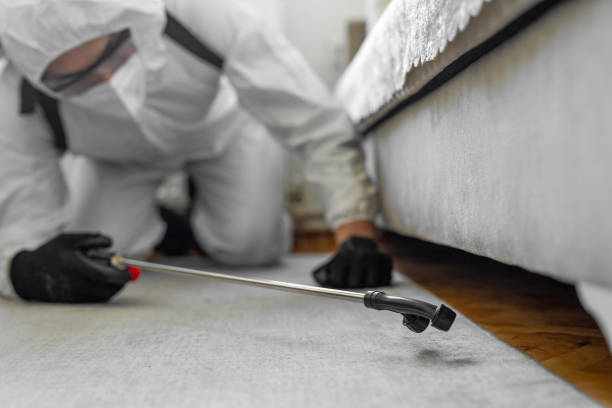
I had not had a termite inspection in over twelve years. I knew I probably should, but nothing was visibly wrong. The inspector found past activity that was fully dormant and two early-stage mud tubes at the back of the foundation that I would never have seen on my own — they were behind a downspout on the exterior foundation at ground level. Treatment addressed both active locations. I have followed up every year since and nothing has advanced. Catching it when we did meant no structural involvement at all.
Running a rental portfolio in Louisville means that a termite situation you discover late is expensive in ways that go beyond the treatment cost. I enrolled all of my units in Show Me Pest Control's annual program after one property cost me significantly more than it should have. In three years on the annual inspection program, we caught two early-stage situations and treated both under warranty. The written inspection record has simplified every refinancing conversation I have had with lenders during that period.
Signs of termite activity in Louisville homes vary by species. Subterranean termites most often announce themselves through mud tubes on the foundation exterior, swarmer wings near light fixtures or windows in spring, or hollow-sounding floor framing. Drywood termites show up as frass deposits near baseboards, furniture, or overhead wood surfaces. If you have observed any of these and are unsure what they indicate, a certified inspection is the fastest way to get a definitive answer — the inspector documents what was found and whether it is active, which is information a visual self-check cannot produce.
Our Louisville inspection is a systematic examination of every accessible area where termite activity might establish: exterior foundation, utility penetrations, crawl space, accessible framing, and interior areas flagged by the moisture meter or visible evidence. Nothing is a verbal summary — every finding is photographed and included in the written report, which is issued at the time of inspection and formatted for real estate, lender, and insurance use.
For most active subterranean infestations in Louisville, liquid barrier treatment is typically completed within a few days of the property owner approving the written treatment plan. Bait station installation can be done at the same time or in a follow-up visit. Wood injection for limited drywood activity is also schedulable within days. Tent fumigation requires more preparation time — typically one to two weeks from the decision to complete, depending on scheduling and preparation readiness. Your written report will include a timeline estimate for each option that applies to your situation.
The main practical differences between bait stations and liquid barrier: application method (drilling and injection vs. in-ground stations); timeline to colony suppression (barrier is faster-acting; bait takes longer but works continuously); property disturbance (barrier involves trenching or drilling; bait involves only digging shallow station holes); ongoing program (bait stations require monitoring visits included in the program fee; barrier treatment is typically a one-time application with a warranty). Both are appropriate for subterranean termites. The conditions found in the inspection determine which is the better fit.
Show Me Pest Control warranties are structured to transfer with the property at sale. The buyer receives the warranty documentation, the treatment records, and the service history maintained by Show Me Pest Control. The transfer does not require a new service setup or additional payment at the time of sale. Call +1-866-315-0243 for the specific terms of the warranty applicable to the treatment completed at your Louisville property.
For most Louisville properties, annual inspections are appropriate. Louisville, MS has documented termite pressure in most areas, and an annual inspection keeps the treatment warranty current, maintains a service history useful for real estate and lending, and allows for early detection of new activity before it advances to structural involvement. Properties that have had previous treatment, properties with elevated moisture near the foundation, or investment properties being managed across multiple units benefit most from the consistency of an annual program.
Whether you are buying, selling, or maintaining a property in Louisville, the certified inspection from Show Me Pest Control gives you a document you can act on. Call +1-866-315-0243 to schedule.
Show Me Pest Control provides certified termite inspection and control services throughout Louisville and across Louisville, MS. Residential, investment, and commercial properties served. Call +1-866-315-0243 to confirm availability and schedule an inspection in your area.